
Juwwana – جًُوًّانا
The Journey of Hashem and Sama (in development – 2027)

Juwwana – جًُوًّانا
The Journey of Hashem and Sama
(in development – 2027)
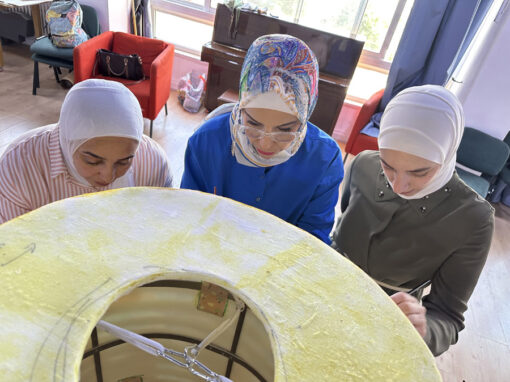
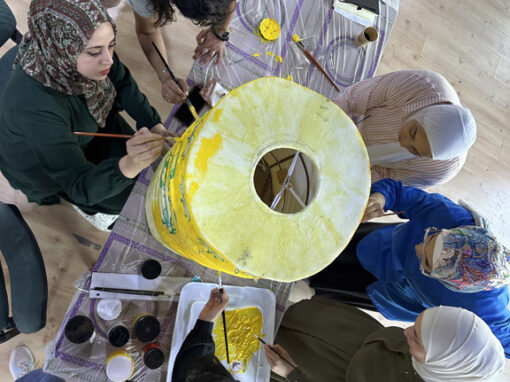
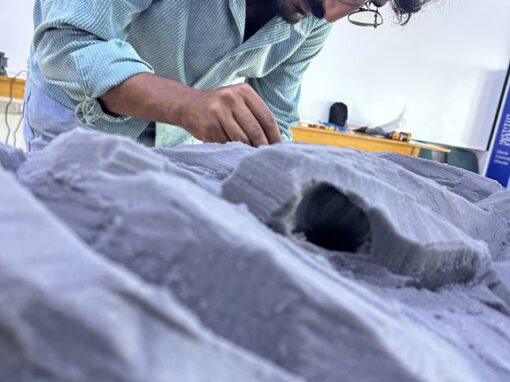
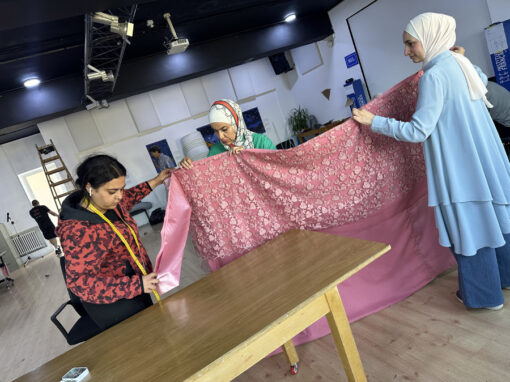
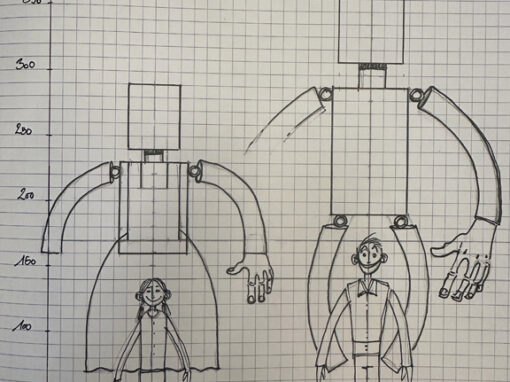
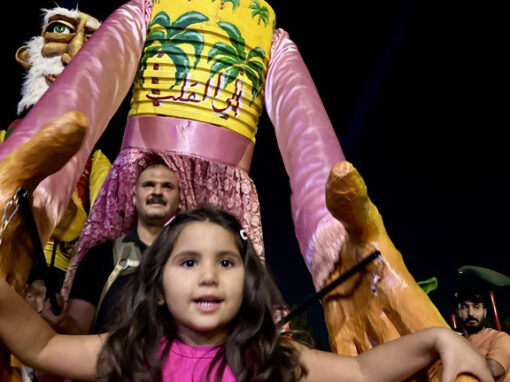
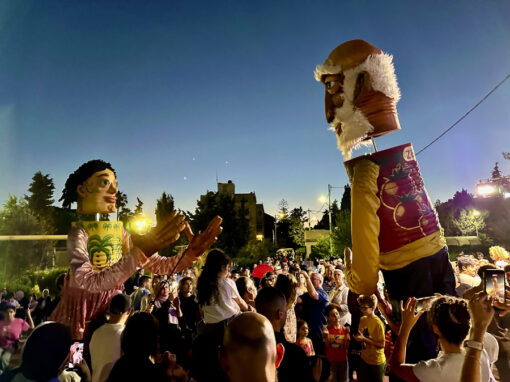
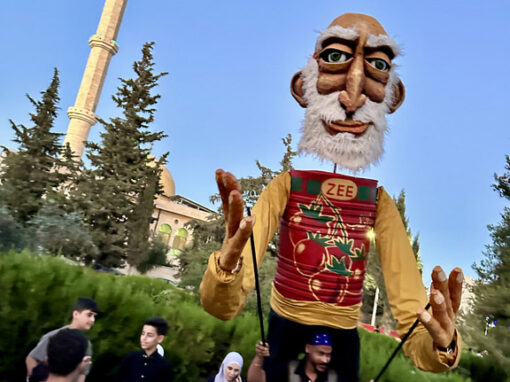
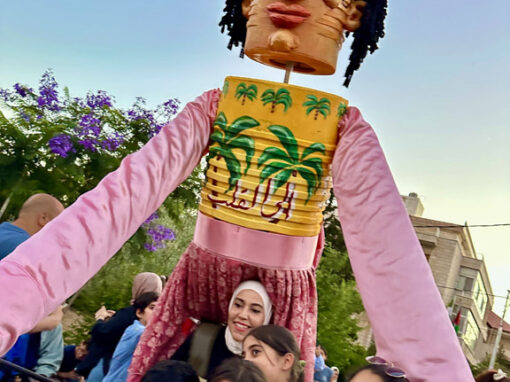
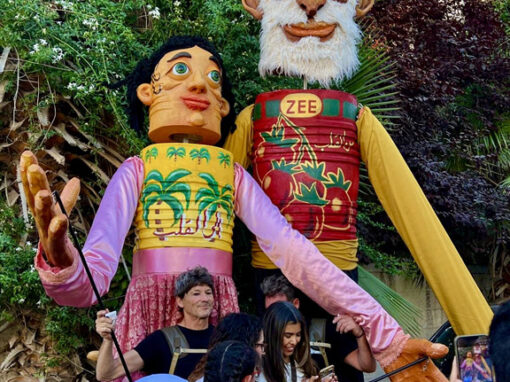
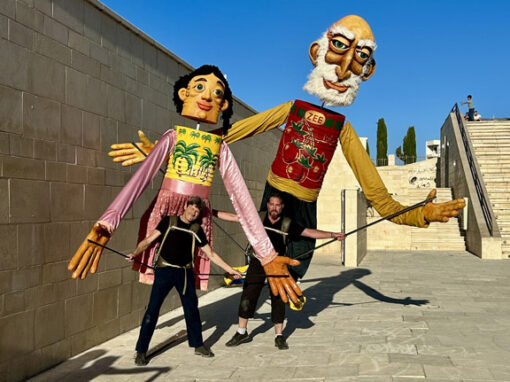
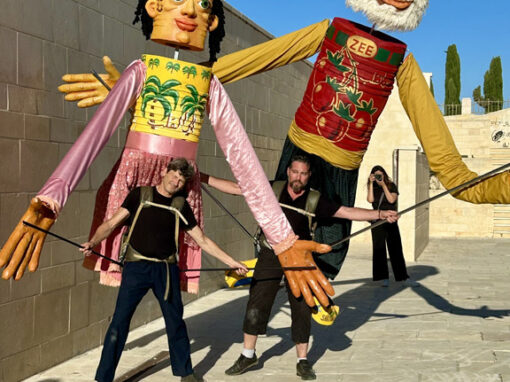
This Franco-Palestinian-Jordanian artistic collaboration between Buthaina Bandora, Mahdi Karera, Marie-Martine Robles, and Olivier Hagenloch obviously addresses the deprivation in Palestine, particularly in the Gaza Strip—but through a joyful and poetic lens. The Journey of Sama and Hashem tells the story of the joy and timeless, intergenerational love between a grandfather and his granddaughter. Using a few string puppets, a grandfather (Hashem) offers his granddaughter (Sama) a moment of carefree bliss, a parallel world, and a dreamlike journey. It shows how, even in the face of the deepest despair, tenderness, kindness, and imagination foster a joyful and vibrant vitality that transports the imagination beyond walls and barbed wire and gives rise to the radiant brightness of children’s laughter. “Juwwana” means “what I hold in my heart.”
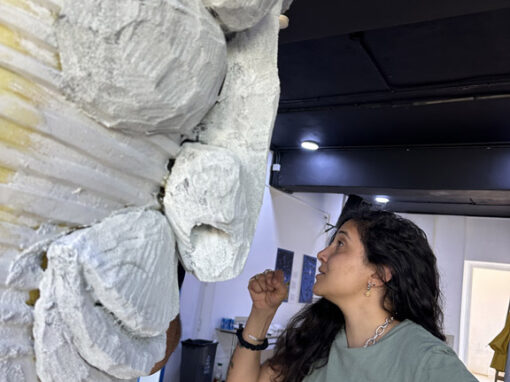
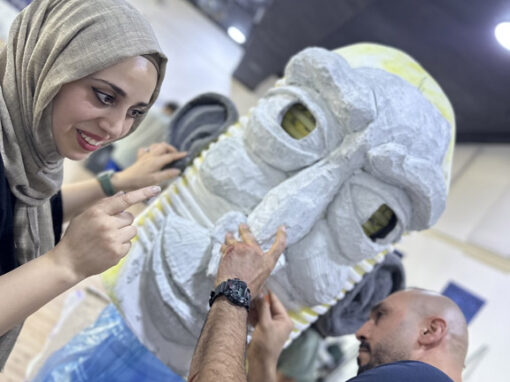
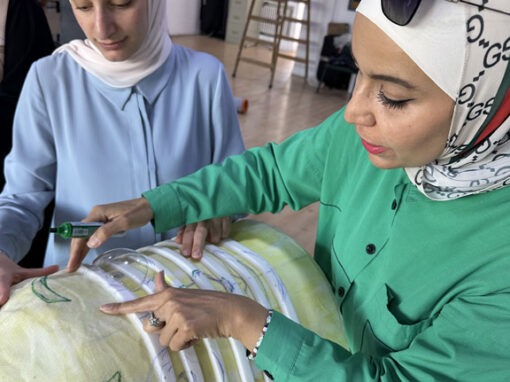
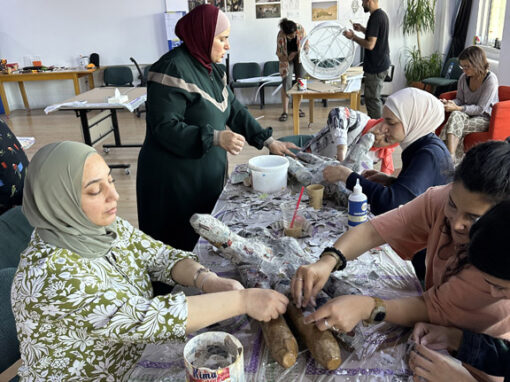
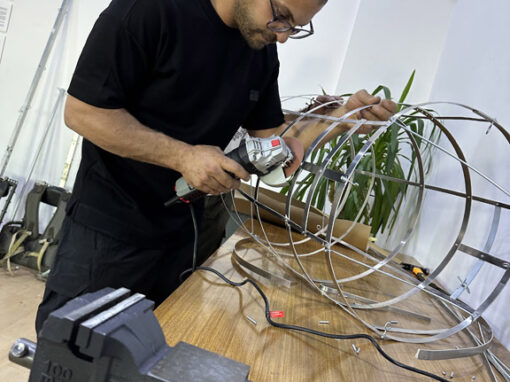
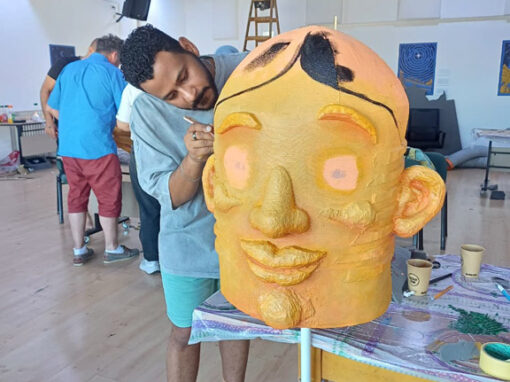
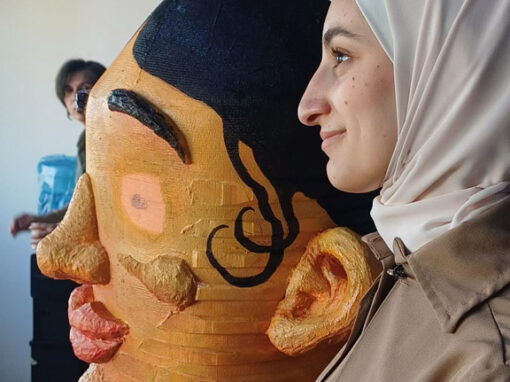
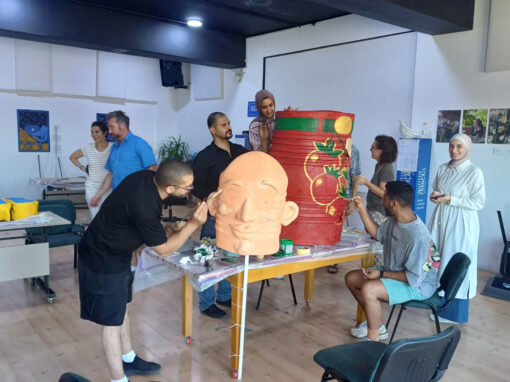
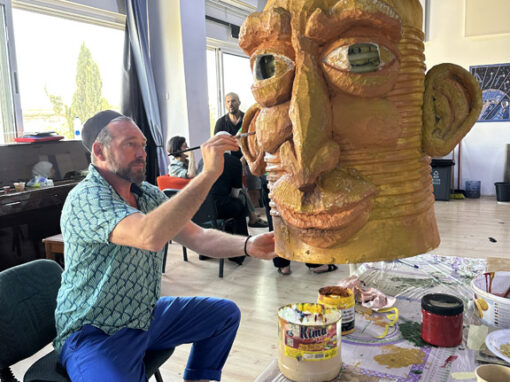
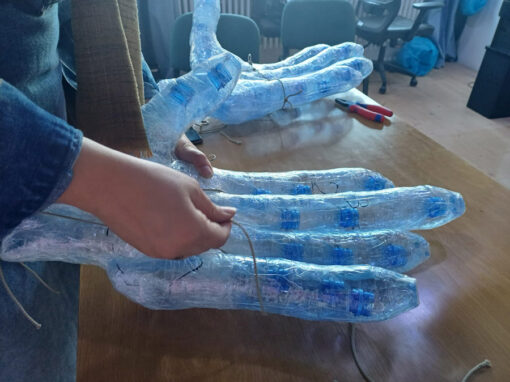
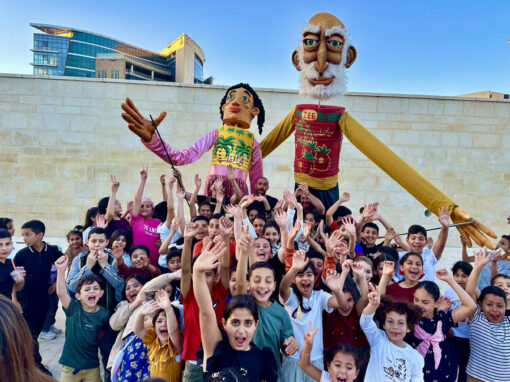
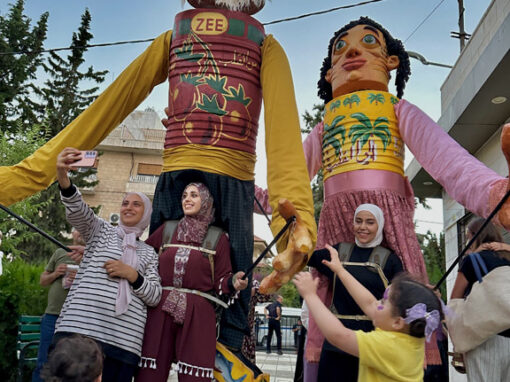
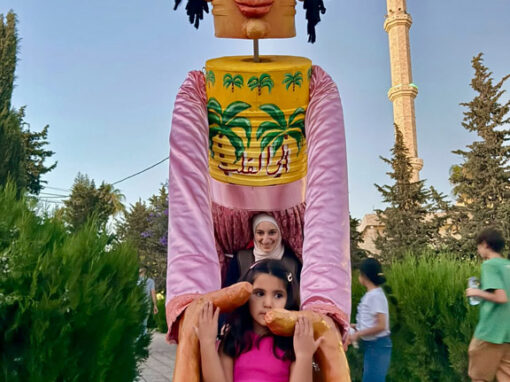
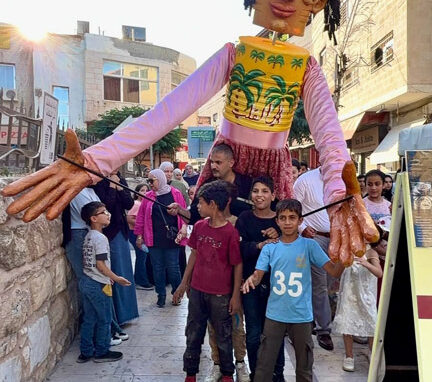
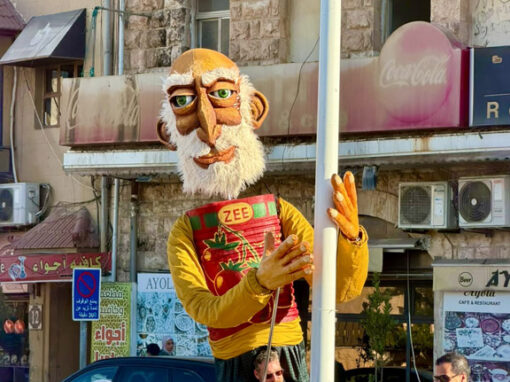
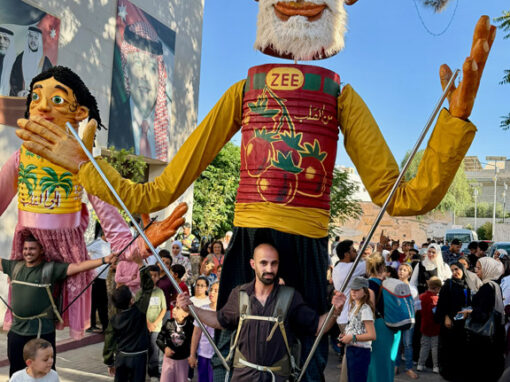
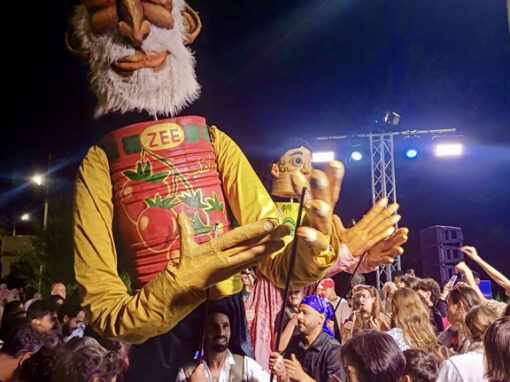
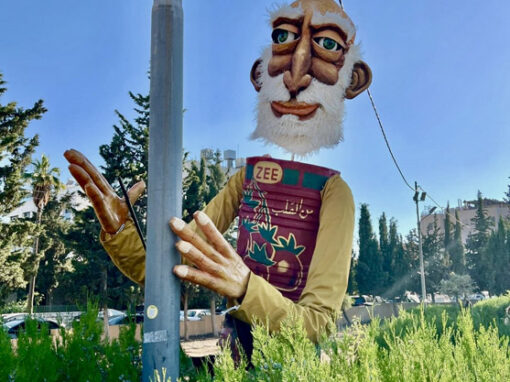
A show featuring both giant and small puppets
Themes explored: intergenerational love / passing on traditions (ages 5 and up)
Capacity: 500 people | Duration: 30 min
Touring team: 6 people
2 puppeteers (giant puppets), 3 actors/puppeteers (small puppets), 1 stage manager
Distribution
Mahdi Karera: co-artistic direction
Olivier Hagenloch: co-artistic direction, co-writing, design;
Marie-Martine Robles: co-writing, co-staging, choreography;
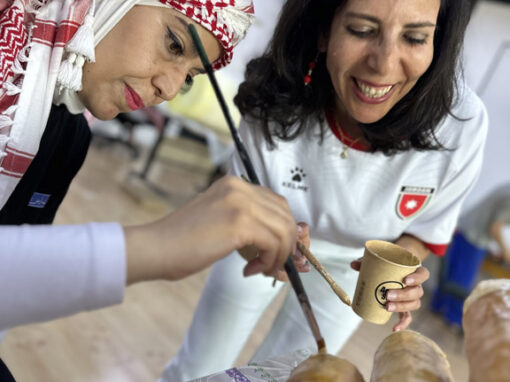
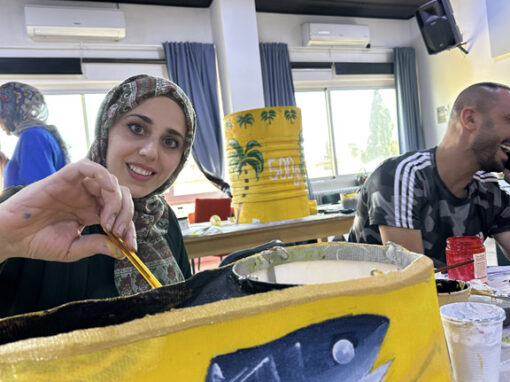
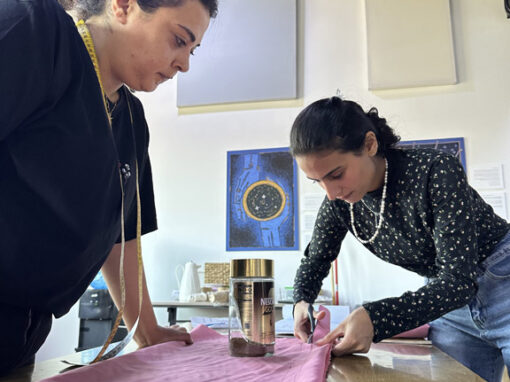
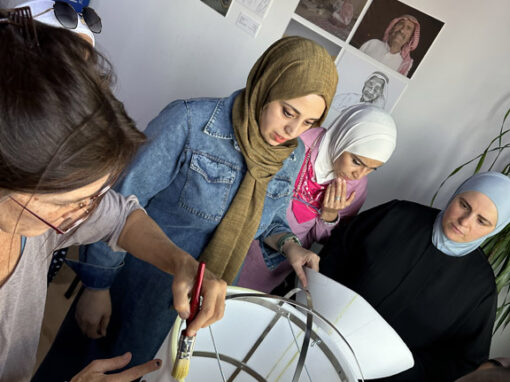
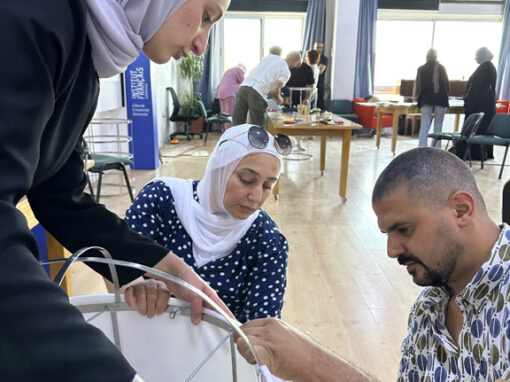
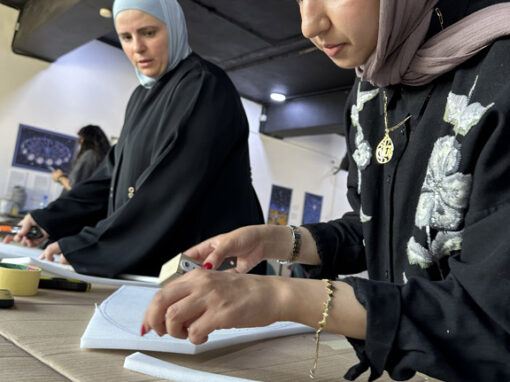
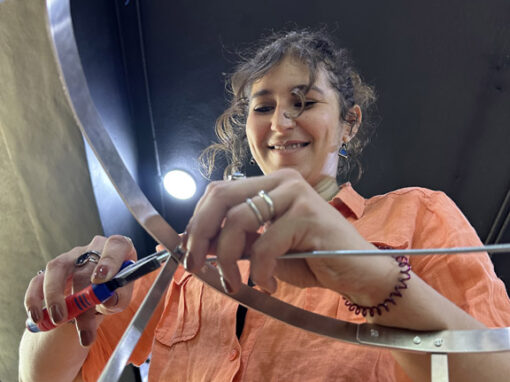
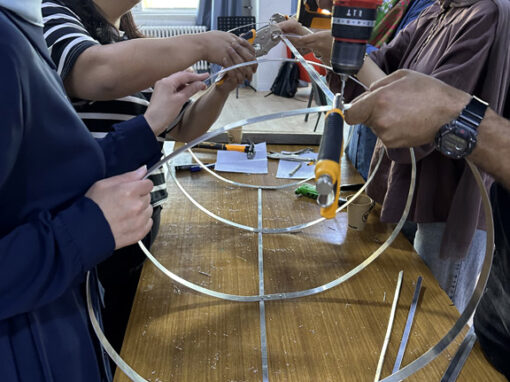
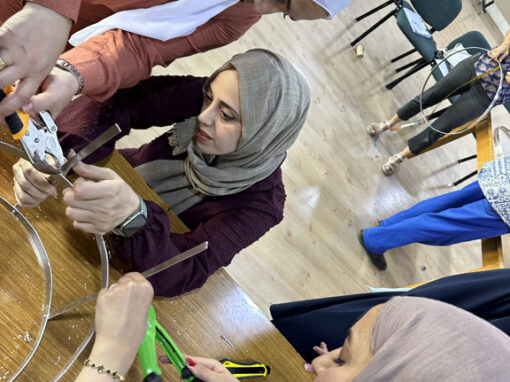
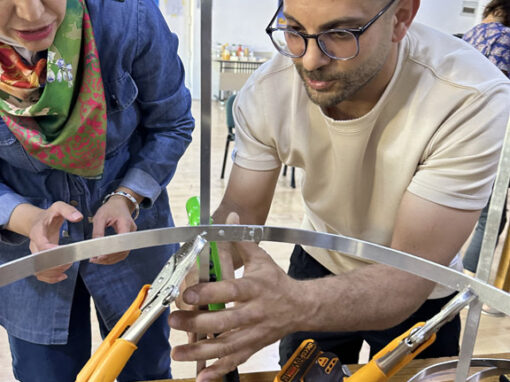
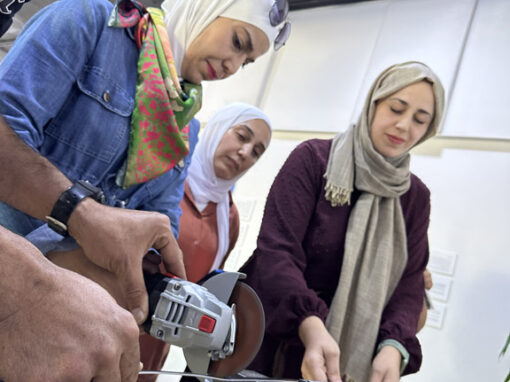
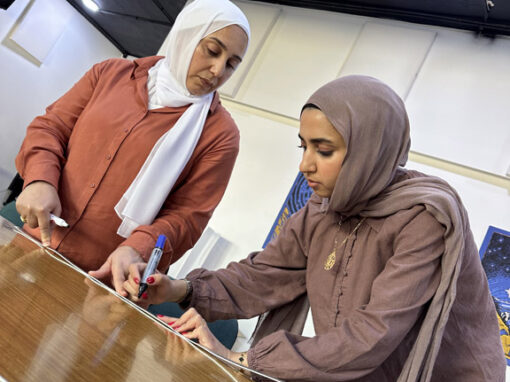
Buthaina Bandora: co-staging, creation of small puppets;
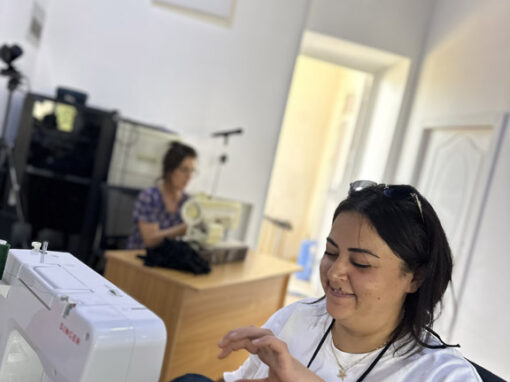
Magali Leportier: costume design
How the Project Began:
This show took shape in our minds during a trip to Jordan, where our company was invited to perform one of its shows in 2025.
Deeply moved by the dramatic, complex, and ever-changing geopolitical context (the war in Gaza), we met with several Jordanian and Palestinian artists.
Through a spirit of exchange and sharing that is dear to us, a new project took root: the desire to create a joint production bringing together cultures and artists from both countries.
Without limits, without borders.
Our pivotal encounter with Mahdi Atiya Karera left us spellbound.
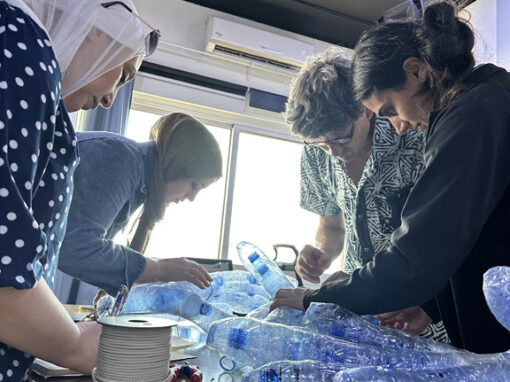
This Palestinian puppeteer struggles to survive in the Gaza Strip and to bring a message of hope to children. He persists in putting on performances with small puppets made from odds and ends—objects gleaned from the rubble—that make his characters as fragile as they are touching, as serious as they are poetic.
More than just a testimony, we want to pay tribute to the astonishing work of Mahdi Atiya Karera by creating a show centered on his visual and narrative world.
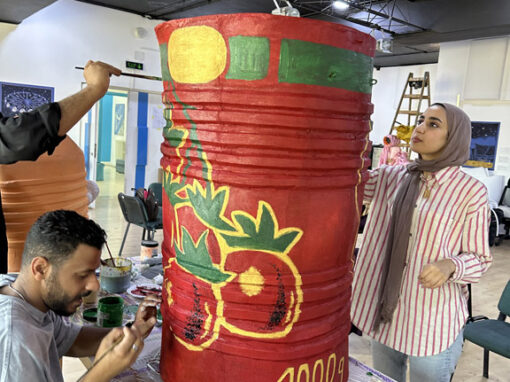
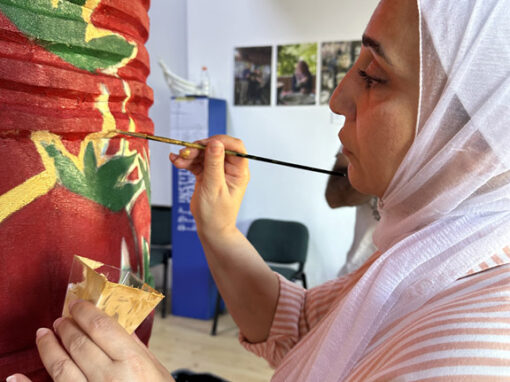
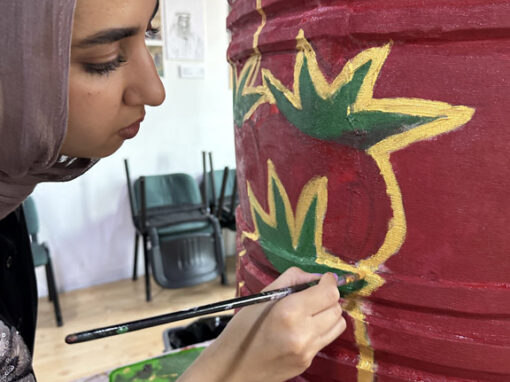
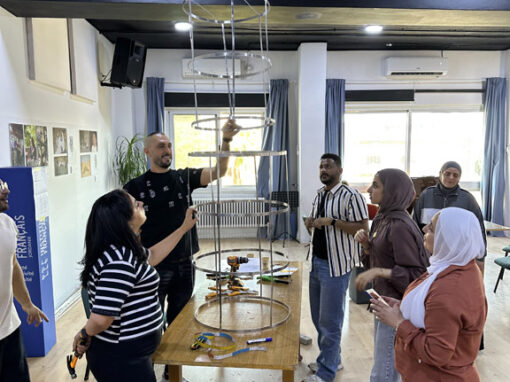
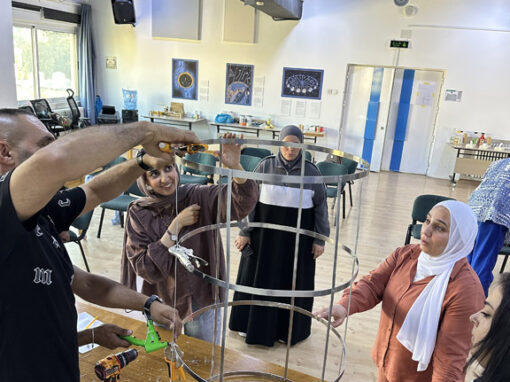
A multicultural show symbolized by a giant puppet that embodies the universal story of humanity and its boundaries.
Mahdi Karera, Palestinian Artistic Director and Puppeteer from Gaza
Mahdi Karera took his first artistic steps in theater 20 years ago. He decided to devote himself to puppetry, an art form that did not exist in Gaza, even though it was present in many neighboring countries. He had no one to train him, but thanks to a talented friend, a great deal of self-taught practice, and a journey marked by both failures and successes, he gained experience. “What it really teaches you is the accumulation of experiences and failures. And perseverance is the key to excellence,” he says.
Mahdi founded Khayyout, the first puppet troupe in the Gaza Strip. Khayyout means “Son.” Over the years, Mahdi Karera, an artist of hope, has become a leading figure in puppetry in the Palestinian territories.
“The children of my nation had an urgent need for this incredible and wonderful art.”
“When the puppet appears, whispers and laughter begin. A boy or a girl comes to greet one of the characters… and we all look up to the sky with joy.”
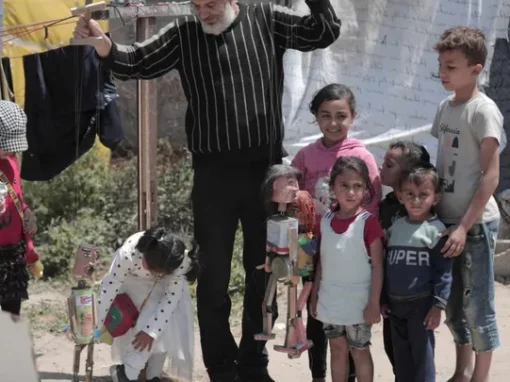
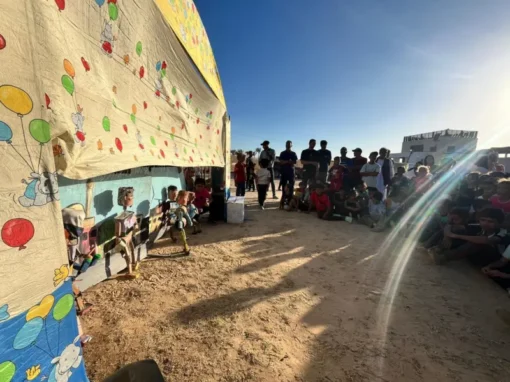
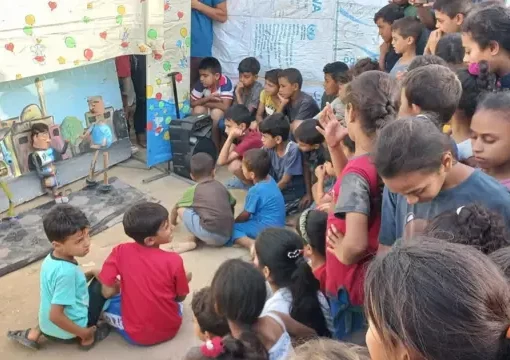
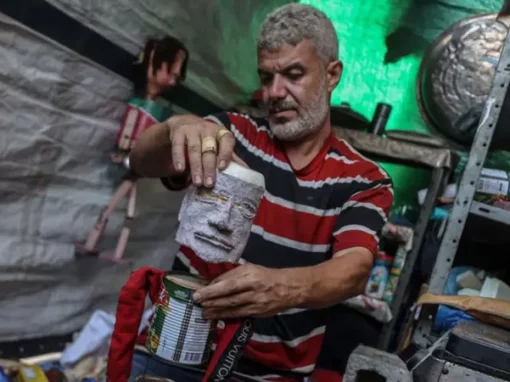
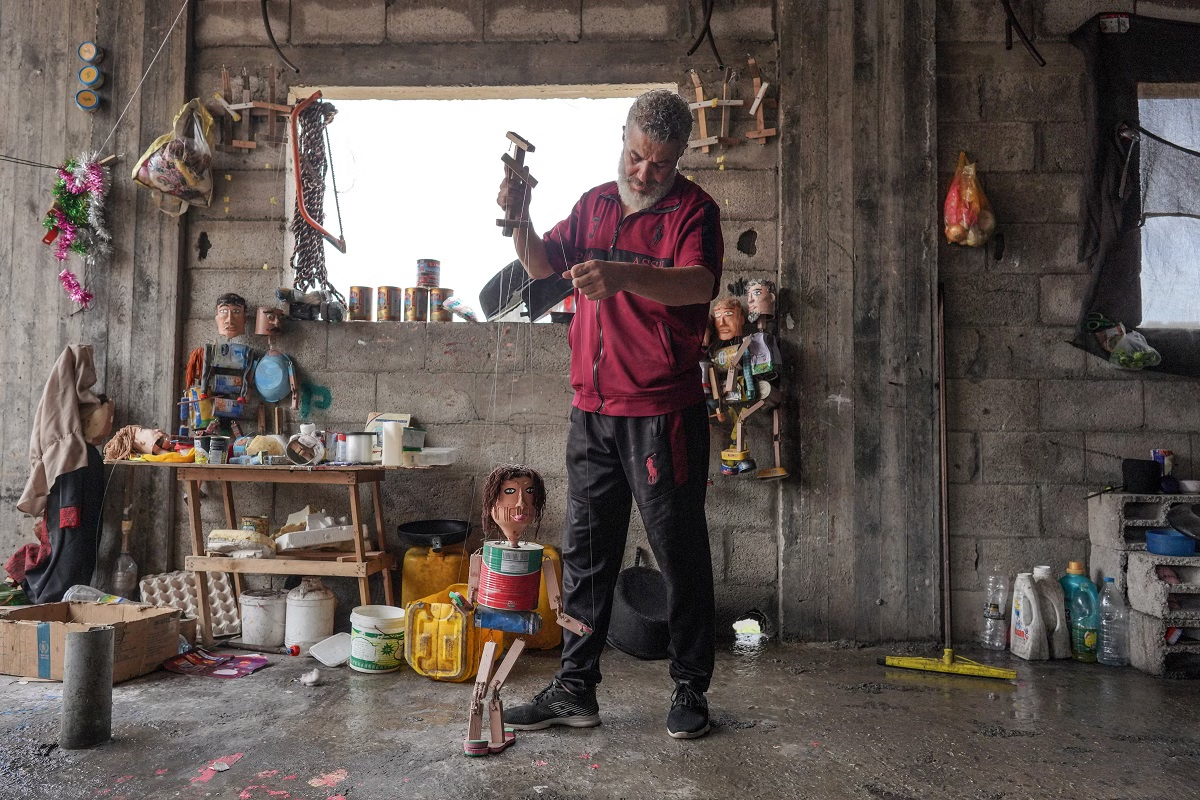
With his home and workshop bombed and destroyed, Mahdi no longer has access to the raw materials to build his puppets, nor to tools or paints… “I realized I had to make at least one puppet to help us—my children and me—escape the stress of war and steal a few moments away from fear,” he says.
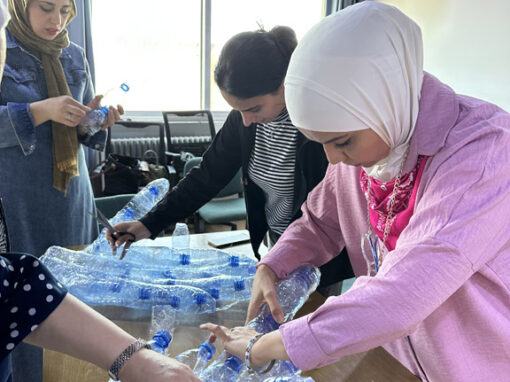
Empty cans and remnants of the war—the only materials available—combined with “determination and ambition,” served as the foundation for creating new puppets and stories.
Despite all the difficulties, the idea emerged to produce these shows for a larger audience of children, by building sets and taking them on tour in a mobile theater. “We put on plays, the puppets come out, and smiles appear,” he says, noting that spirits are lifted and the audience keeps coming back for more.
“It’s truly extraordinary. Imagine creating life amid the widespread death,” he emphasizes.
Mahdi’s shows serve more purposes than mere entertainment. With the educational system having been completely destroyed by the conflict, Mahdi Krira is also actively involved in learning strategies and educational development. “The responsibility has become greater now,” he says. “It includes entertainment, education, psychological support, and mental health first aid.”
“The hope is to spread joy and optimism, which is the first thing we’ve achieved,” he says. “We’re spreading smiles, healing our souls, and then we’ll build this nation. We’ll build a humanity free from subjugation and extremism.”
“We had dreams; they’re still alive, and we’ll make them come true.”
PARTNERS
French Institute of Jordan,
French Institute of Paris,
French Institute of Jerusalem,
Vaucluse Department,
Deraïdenz Company,
Children’s Museum of Amman,
Alwan Children’s Festival
Bizz’Art Festival
Mahdi : www.facebook.com/motaz.atiya
Buthaina : www.facebook.com/buthainabandora
Alwan Children festival : www.facebook.com/Alwan-International-Childrens-Festival
Juwwana – جًُوًّانا
The Journey of Hashem and Sama
(in development – 2027)
A show featuring both giant and small puppets
Themes explored: intergenerational love / passing on traditions (ages 5 and up)
Capacity: 500 people | Duration: 30 min
Touring team: 6 people
2 puppeteers (giant puppets), 3 actors/puppeteers (small puppets), 1 stage manager
This Franco-Palestinian-Jordanian artistic collaboration between Buthaina Bandora, Mahdi Karera, Marie-Martine Robles, and Olivier Hagenloch obviously addresses the deprivation in Palestine, particularly in the Gaza Strip—but through a joyful and poetic lens. The Journey of Sama and Hashem tells the story of the joy and timeless, intergenerational love between a grandfather and his granddaughter. Using a few string puppets, a grandfather (Hashem) offers his granddaughter (Sama) a moment of carefree bliss, a parallel world, and a dreamlike journey. It shows how, even in the face of the deepest despair, tenderness, kindness, and imagination foster a joyful and vibrant vitality that transports the imagination beyond walls and barbed wire and gives rise to the radiant brightness of children’s laughter. “Juwwana” means “what I hold in my heart.”
Distribution
Mahdi Karera: co-artistic direction
Olivier Hagenloch: co-artistic direction, co-writing, design;
Marie-Martine Robles: co-writing, co-staging, choreography;
Buthaina Bandora: co-staging, creation of small puppets;
Magali Leportier: costume design
How the Project Began:
This show took shape in our minds during a trip to Jordan, where our company was invited to perform one of its shows in 2025.
Deeply moved by the dramatic, complex, and ever-changing geopolitical context (the war in Gaza), we met with several Jordanian and Palestinian artists.
Through a spirit of exchange and sharing that is dear to us, a new project took root: the desire to create a joint production bringing together cultures and artists from both countries.
Without limits, without borders.
Our pivotal encounter with Mahdi Atiya Karera left us spellbound.
This Palestinian puppeteer struggles to survive in the Gaza Strip and to bring a message of hope to children. He persists in putting on performances with small puppets made from odds and ends—objects gleaned from the rubble—that make his characters as fragile as they are touching, as serious as they are poetic.
More than just a testimony, we want to pay tribute to the astonishing work of Mahdi Atiya Karera by creating a show centered on his visual and narrative world.
A multicultural show symbolized by a giant puppet that embodies the universal story of humanity and its boundaries.
Mahdi Karera, Palestinian Artistic Director and Puppeteer from Gaza
Mahdi Karera took his first artistic steps in theater 20 years ago. He decided to devote himself to puppetry, an art form that did not exist in Gaza, even though it was present in many neighboring countries. He had no one to train him, but thanks to a talented friend, a great deal of self-taught practice, and a journey marked by both failures and successes, he gained experience. “What it really teaches you is the accumulation of experiences and failures. And perseverance is the key to excellence,” he says.
Mahdi founded Khayyout, the first puppet troupe in the Gaza Strip. Khayyout means “Son.” Over the years, Mahdi Karera, an artist of hope, has become a leading figure in puppetry in the Palestinian territories.
“The children of my nation had an urgent need for this incredible and wonderful art.”
“When the puppet appears, whispers and laughter begin. A boy or a girl comes to greet one of the characters… and we all look up to the sky with joy.”
With his home and workshop bombed and destroyed, Mahdi no longer has access to the raw materials to build his puppets, nor to tools or paints… “I realized I had to make at least one puppet to help us—my children and me—escape the stress of war and steal a few moments away from fear,” he says.
Empty cans and remnants of the war—the only materials available—combined with “determination and ambition,” served as the foundation for creating new puppets and stories.
Despite all the difficulties, the idea emerged to produce these shows for a larger audience of children, by building sets and taking them on tour in a mobile theater. “We put on plays, the puppets come out, and smiles appear,” he says, noting that spirits are lifted and the audience keeps coming back for more.
“It’s truly extraordinary. Imagine creating life amid the widespread death,” he emphasizes.
Mahdi’s shows serve more purposes than mere entertainment. With the educational system having been completely destroyed by the conflict, Mahdi Krira is also actively involved in learning strategies and educational development. “The responsibility has become greater now,” he says. “It includes entertainment, education, psychological support, and mental health first aid.”
“The hope is to spread joy and optimism, which is the first thing we’ve achieved,” he says. “We’re spreading smiles, healing our souls, and then we’ll build this nation. We’ll build a humanity free from subjugation and extremism.”
“We had dreams; they’re still alive, and we’ll make them come true.”
PARTNERS
French Institute of Jordan,
French Institute of Paris,
French Institute of Jerusalem,
Vaucluse Department,
Deraïdenz Company,
Children’s Museum of Amman,
Alwan Children’s Festival
Bizz’Art Festival
Mahdi : www.facebook.com/motaz.atiya
Buthaina : www.facebook.com/buthainabandora
Alwan Children festival : www.facebook.com/Alwan-International-Childrens-Festival